- SETUP NEW MINECRAFT CLIENT FOR MINECRAFTFORGE 1.12 ON YOUR COMPUTER
- MINECHEM v6
- ALCHEMISTRY V 0.6.1 & ACTUALLY ADDITIONS
- DIAMOND
- NETHER FORTRESSES
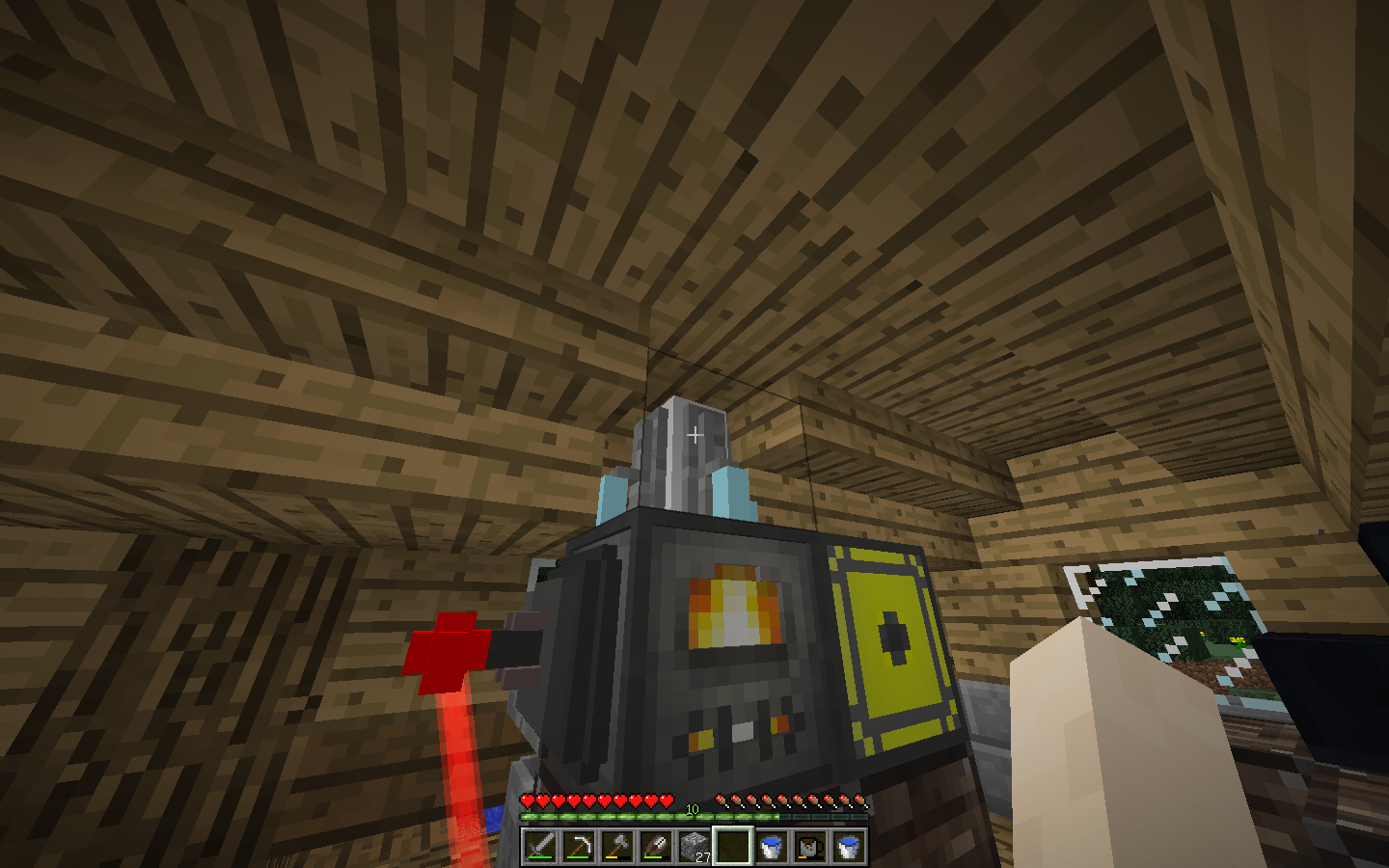
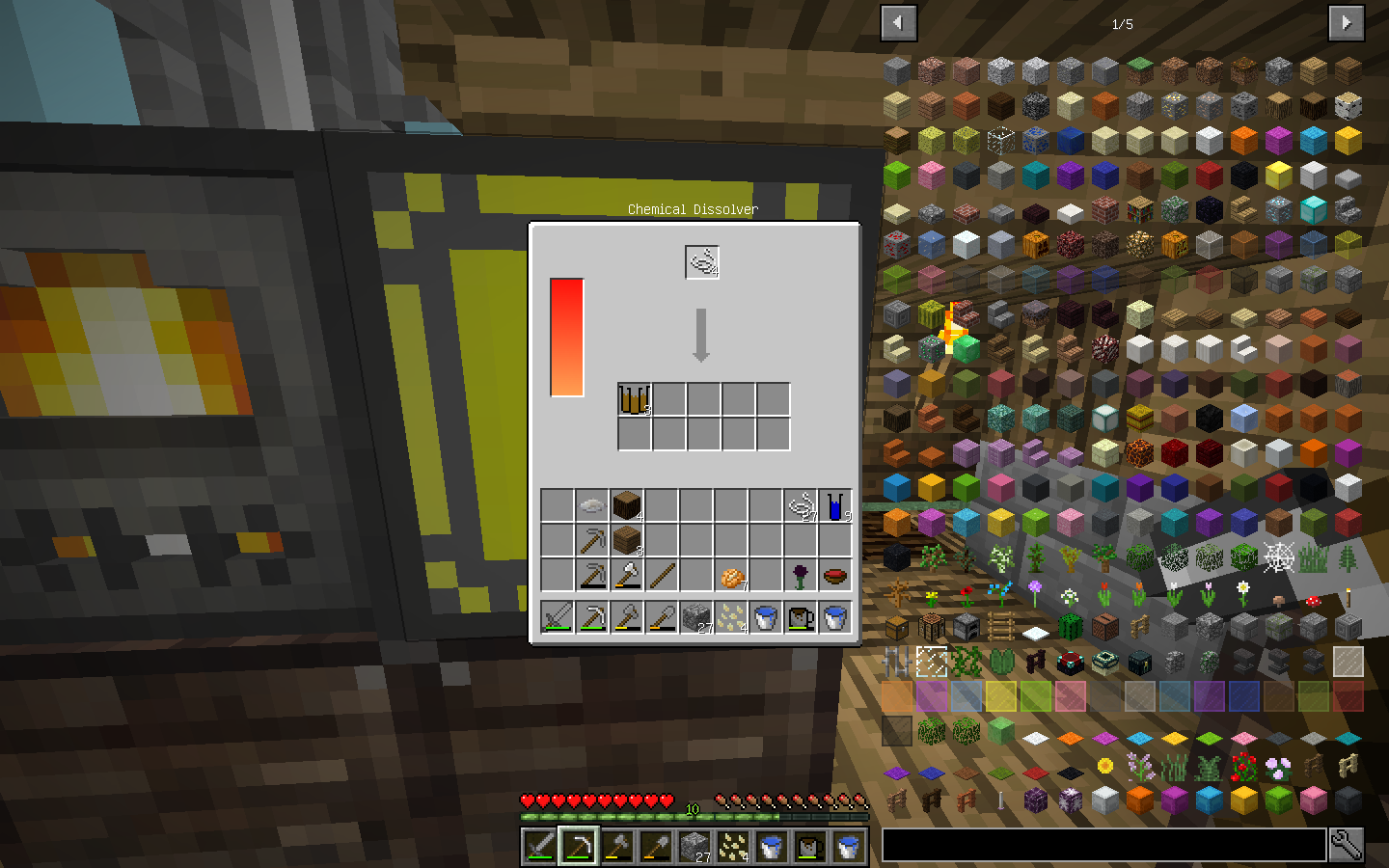
- CHEMICAL MACHINES
- CELLULOSE
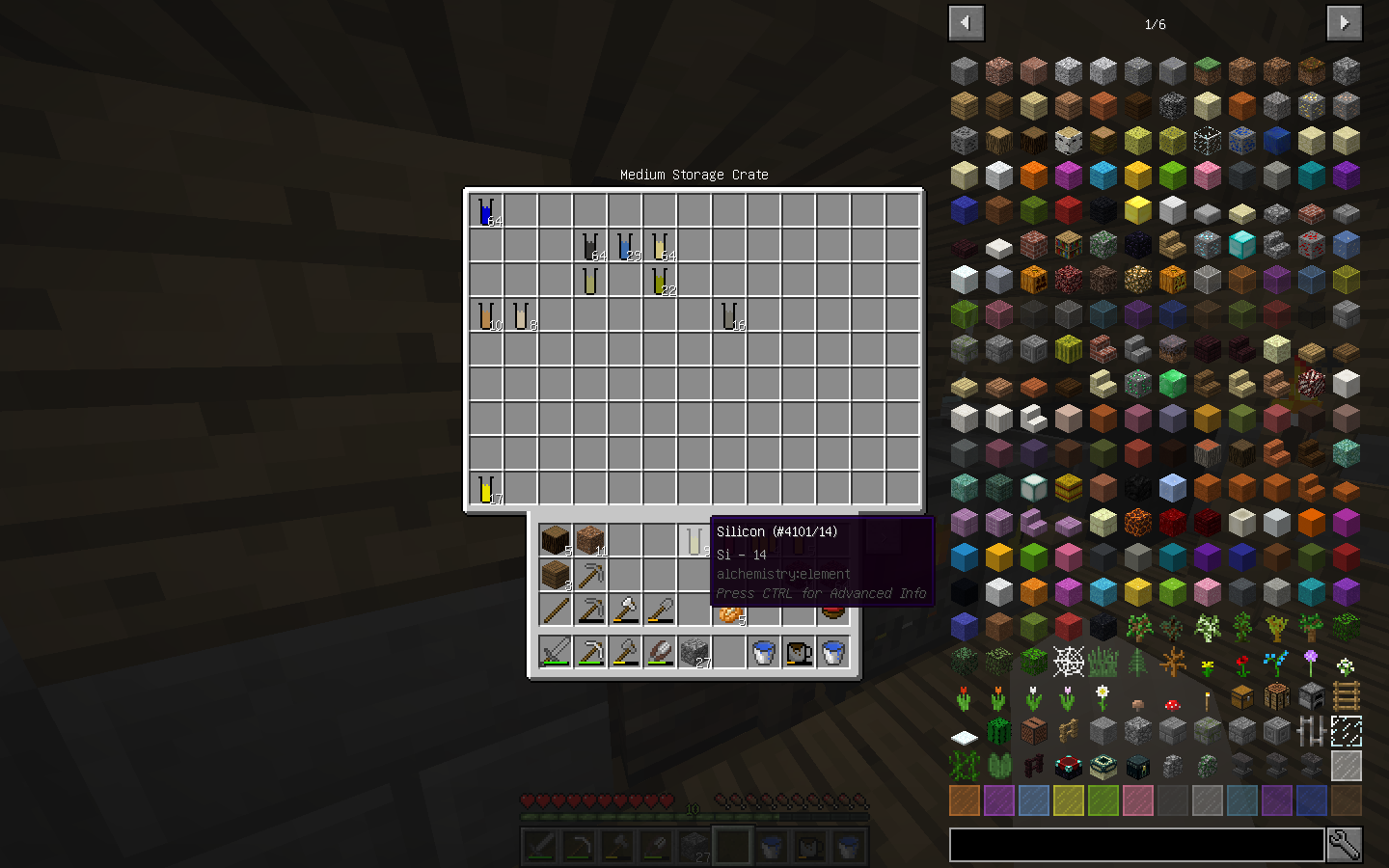
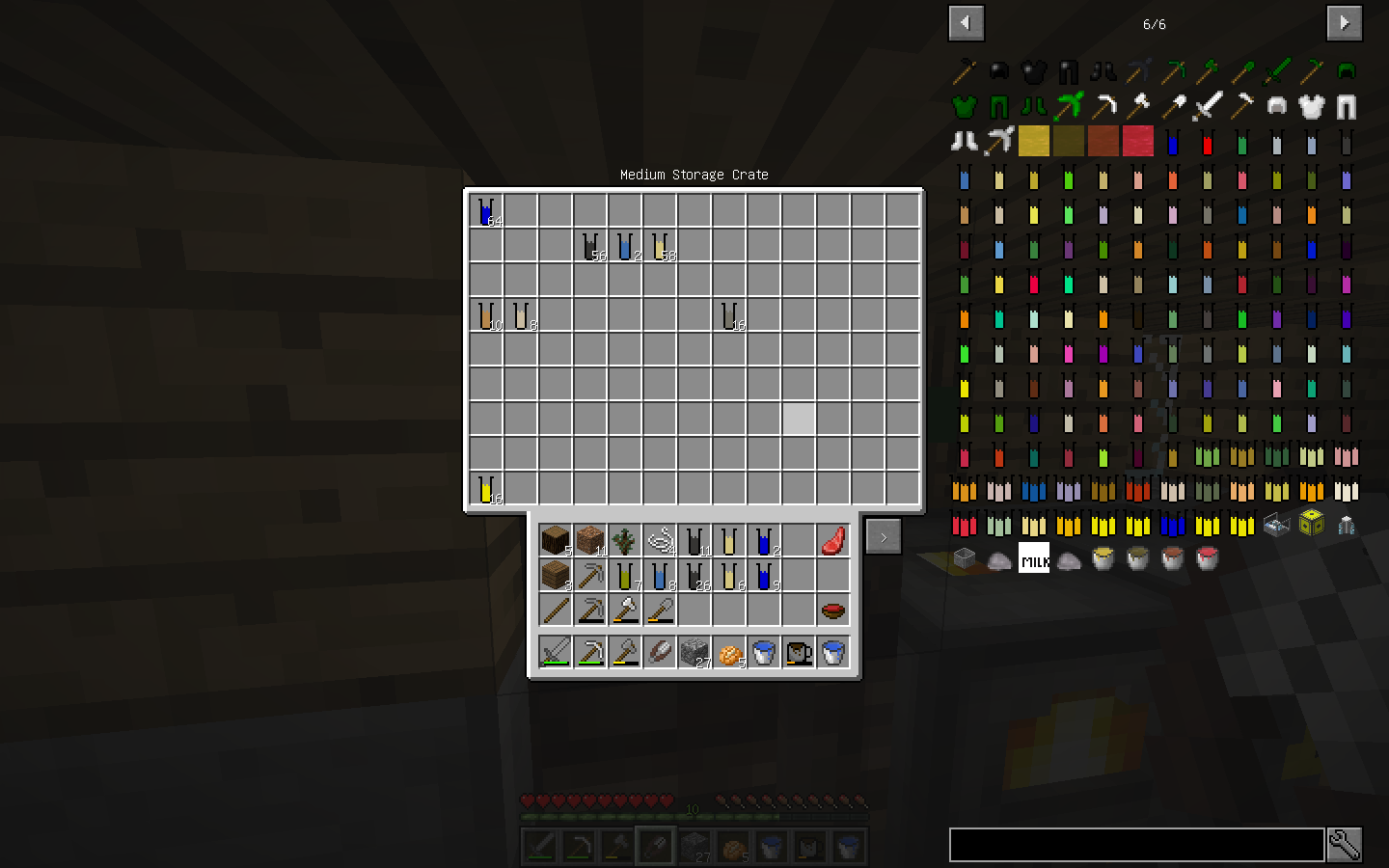
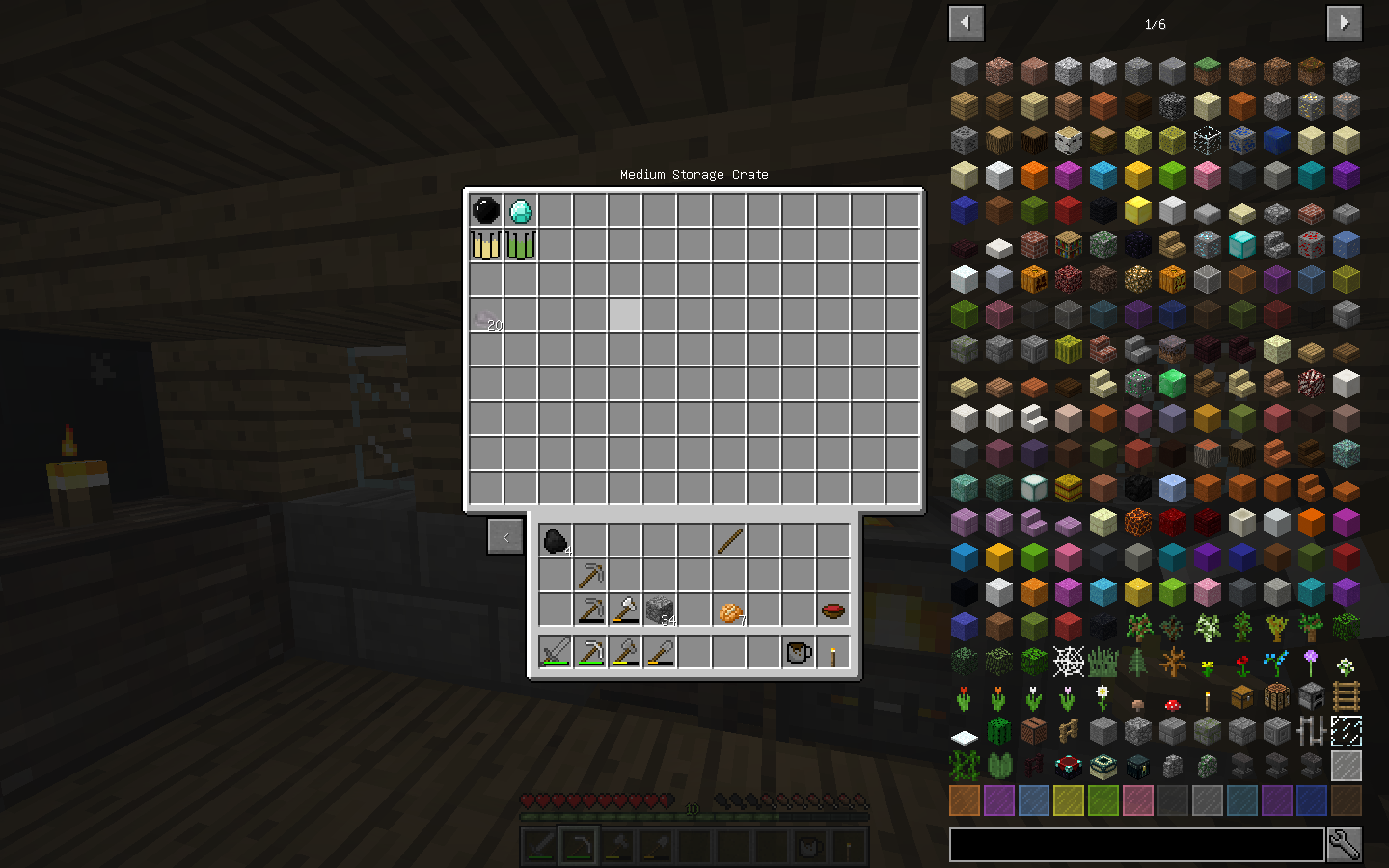
- MEDIUM STORAGE CRATE
- SUCROSE
- PROTEIN
- SILICON
- SILICON DIOXIDE
- ZINC OXIDE
- MINERAL SALT
- POTASSIUM NITRATE
- LEAD IODIDE
- WATER
Chemistry Zumdahl, 7 ed. Houghton Mifflin Company Boston New York
Chemistry_Z-textbook.pdf
Что происходит с молекулами и атомами при химических реакциях. Изучим более подробно реакцию разложения воды (H2O).
(pages 3-4, 27, 127-129 of a chemical textbook)
Эту формулу можно зписать в другом виде
H – O – H.
Какой угол между атомами в Молекуле Воды?
Формула показывает что в молекуле воды оба атома водорода связаны с атомом кислорода, но не связаны друг с другом напрямую. Водород всегда валентности 1 (у него один электрон н орбите). Кислород проявляет валентность 2 (потому что у кислород 2 электрона на крайнем электронном (валентном) слое.
Устройство электролизера
(pages 129-133, 816-819 of a chemical textbook)
Вода – прочное вещество и разлагается при высоких температурах и про пропускании электрического тока, при этом появляются пузырьки газа. Пузырьки газа содержат смесь двух газов. В нашем Электролизере мы можем собирать газы отдельно друг от друга. Для этого в приборе имеются в воде две металические пластинки, присоединенные к источнику постоянного тока. Над каждой металлической пластинкой у нас поставлена труба для отвода газа.
Для процесса электролиза нужны свободные йоны. Поэтому для старта процесса надо добавить в наш Электролизер либо Карбонат Кальция (является главной составной частью Ивестняка, Мрамора, Мела и входит в состав скорлупы куринных яйиц), либо Хлорид Натрия (Поваренная соль).
Какая разница между Хлоридом Натрия (Содиум Хлорид) и Сильвер Хлорид?
При разложении воды в одной из трубок собирается газ в двое больий по объему чем в другой трубке.
В реальной жизни и других более совершенных химических Майнкрафт (напр. Миничем в.6) модах можно наблюдать горение или
улетучивание газов. Если к отверстию трубы с большим объемом газа поднести горящую лучину, то газ загориться – этот газ Водород. Если поднести тлеющую лучину к другому газу – лучин вспыхнет огнем. Этот другой газ меньшего объем – кислород.
Относительная молекулярня масса вещества
(pages 86-88 of a chemical textbook)
Относительная молекулярня масса вещества – это число показывющее, во сколько раз масса молекулы его больше 1/12 массы атома углерода. Так относительная молекулярная масса воды равна:
Mr(H2O)=1*2 + 16 = 18
Химическое уравние
(pages 96-100 of a chemical textbook)
Составим уравнение реакции разложения воды. Кислород и Водород имеют двухатомные молекулы – учтем это в нашем уравнении.
Вода = Водород + Кислород
2H2O = 2H2 + O2
Химические реакции, при которых из одного сложного вещества получается несколько других веществ, назывются реакциями разложения. Оксид – это сложное вещество, состоящее из атомов двух элементов, один из которых – кислород. Вода – это оксид Водорода H2O.
Подождгем чистый водород выходящий из трубки. Направим пламя на метллическую пластинку. Пластинка быстро покрывается капельками воды.
2H2 + O2 = 2H2O
Реакция горения водорода сопровождется выделением большого количества теплоты. Пламя водорода – это раскаленный водяной пар.
Раствор
(pages 26, 129-133 of a chemical textbook)
What the formula of Ethanol (Vodka)?
Раствор, в котором данное вещество при данной температуре уже больше не расстворяется, называется насыщенным.
Растворы имеют важнейшее значение для природы. Минеральные вещества забираются растениями из почвы только в виде расстворов. Поэтому наличие воды одно из главных условий хорошего урожая растений.
В организме человека и животных пища превращается в соединения растворимые в воде.
Химическая промышленность невозможна без воды. Растворение веществ в воде обеспечивает быстрое протекание многих химических реакций.
Взаимодействие воды с металлами
Если в воду опустить струшки Кальция, то от поверхности Кальция начнут отрываться пузырьки Водорода. Появившиеся в воде
белые взвешенные частицы это Гидроксид Кальция Ca(OH)2 (Гашеная известь, в растворе воды – Известковая вода). Гидроксид Кальция является сильным основанием.
В этой реакции молекулу воды можно представить как H-OH. Где OH это гидросогруппа или Гидроксид. Именно группы Гидроксида переходят из состава воды в состав Кальция.
Ca + 2H2O = 2Ca(OH)2 + H2
Еще энергичнее протекает реакция Натрия с Водой.
2Na + 2HOH = 2NaOH + H2
Прив взаимодействии Натрия с Водой получается Гидроксид Натрия и Водород.
Взаимодействие воды с оксидми неметаллов
(pages 623-629 of a chemical textbook)
Оксид красного Фосфора (V) соеденяется с водой и получается фосфорная кислота H3PO4:
P2O5 + 3H2O = 2H3PO4.
Оксид Серы (IV) SO2 , образовавшийся при сгорании серы, соединился с водой и получилась сернистая кислота:
SO2 + H2O = H2SO3.
Сера обладает переменной валентностью, поэтому шестивалентный Оксид Серы (VI) SO3, взаимодействуя с водой образует
Серную кислоту H2SO4:
SO3 + H2O = H2SO4.
Оксид Азота при взаимодействии с водой образует Азотную кислоту:
N2O5 + H2O = 2HNO3.
Взаимодействие воды с оксидами металлов
(pages 490-491 of a chemical textbook)
Большинство оксидов металла не взаимодействуют с водой. К ним относяться Оксид Меди, Оксид Цинка, Оксид Железа.
Эти невзаимодействующие с водой оксиды есть в Нашем Моде.
Но Оксид Калия, Оксид натрия, Оксид Кальция, Оксид Бария соеденяются с водой и образуют Гидроксиды, которые относят к основаниям.
CaO + H2O = Ca(OH)2
Na2O + H2O = 2NaOH
K2O + H2O = 2KOH
Оксиды активных металлов не представлены в Алчимистри, но они есть в следуещем уровне нашей программы Чиместри в. 6.
Растворимые в воде основания называются щелочи. Гидроксиды Натрия и Кальция едкие. В Моде Алчимистри они не представлены.
Взаимодействие оснований с кислотами
(page 149 of a chemical textbook)
Рекция между кислотой и основанием, в результате которой образуется соль и вода, называется реакцией нетрализации.
NaOH + HCl = NaCl + H2O
Сущность этой рекции заключается в том, что гидроксогруппы (-OH), входящие в состав основния (NaOH), соеденяются
с атомами водорода кислоты (HCl), образуя воду.
Океан воды
Как мы убедились Вода мирового Океана сложный йонный кристалл с огромным количеством свойств и возможностей.
В воде находяться микроорганизмы и бактерии, а так же более крупные животные образуя единую экологическую систему
вместе с подводными растениями и минералами.
Иногда из за вмешательства интенсивного судоходства или рыболовства образуются весьма странные макроколлонии микроорганизмов или осуществляется сверх быстрая миграция отдельных морских животных (начиная от одноклеточных и заканчивая Китами, которые меняют свои привычки в следствии грубого вмешательства в их среду обитания – пример: Военные подводные сонры блока NATO)
Answers
105 Градусов
Sodium Chloride is soluble and have less forces to hold solid together
C2H5OH
Now you can select and order our cources!